
The Definition of Luck in Gambling
Luck is often depicted as a mysterious force that can swing fortunes in favor of one individual over another. In the context of gambling, luck is a pivotal element, intertwining with skill and strategy to determine outcomes. Many traditional casino games, such as slots, roulette, and craps, are predominantly governed by chance, making luck a decisive factor in the gaming experience. Players looking for the best fast withdrawal casino find themselves immersed in a world where each spin or roll can lead to substantial wins or devastating losses, all dictated by the whims of fortune.
In games like slots or roulette, the outcomes are controlled by random number generators or mechanical devices, which introduce an element of unpredictability. Despite the mathematical algorithms designed to ensure fairness, the results can feel entirely random to players. This randomness fuels the excitement of gambling, as players anticipate hitting a lucrative jackpot or landing on a winning number. With every gamble, the inherent unpredictability of luck becomes both a thrilling prospect and a potential source of despair, emphasizing its significant role in the casino experience.
Moreover, the narratives and folklore surrounding luck in gambling contribute to its allure. Players frequently share tales of miraculous wins or catastrophic losses, embedding luck deeper into the culture of casinos. These stories not only enhance the thrill of the game but also cultivate a sense of community among gamblers. Ultimately, luck serves as both an unpredictable adversary and a potential ally, shaping the journey of every player seeking success in the casino landscape.
The Psychological Aspect of Luck
The psychological relationship between luck and gambling behavior is profound and multifaceted. Players often perceive their wins as a reflection of their skill while attributing losses to bad luck, creating a cognitive dissonance that influences their betting strategies. This mindset can lead to behaviors such as chasing losses, where individuals continue to bet in hopes of recouping previous losses, driven by the belief that luck will eventually turn in their favor. Understanding this psychological dynamic is crucial for players aiming to refine their gambling strategies and manage their expectations realistically.
The gambler’s fallacy illustrates another psychological aspect of luck. This phenomenon occurs when players mistakenly believe that past outcomes can influence future results. For instance, if a player observes a certain number appearing frequently on a roulette wheel, they may gamble on that number believing it is “due” for a win, which can lead to poor decision-making. Such cognitive biases highlight the complexity of human psychology in relation to luck, where misconceptions can significantly impact a player’s approach to gambling.
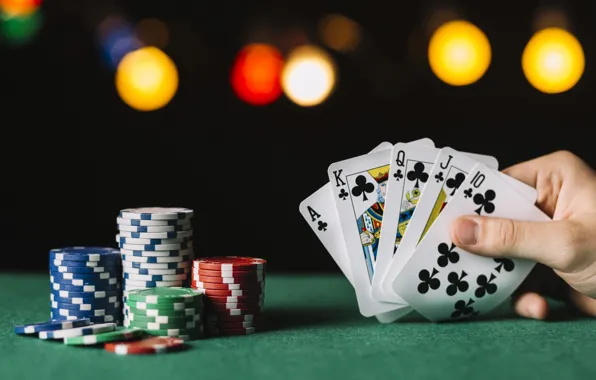
Moreover, the thrill of luck can create an emotional high that enhances the overall gambling experience. Casinos are designed to amplify this excitement through vivid imagery, sounds, and the palpable energy of fellow players. This environment encourages risk-taking, as gamblers become immersed in the belief that fortune can shift at any moment. By acknowledging the psychological effects of luck, players can cultivate a more balanced mindset, enabling them to navigate the unpredictable nature of gambling with greater awareness and control.
The Role of Probability and Odds
While luck is undeniably a central player in casino outcomes, understanding the underlying principles of probability and odds is essential for those looking to enhance their chances of success. Each game offers a unique set of probabilities that determine the likelihood of winning or losing. For instance, in games like blackjack, players can employ strategic approaches based on statistical probabilities, whereas in slot machines, outcomes are largely dictated by chance. This interplay between skill and luck creates a complex gaming environment that can be both rewarding and challenging.
The house always maintains a mathematical edge in casino games, a design element that ensures profitability over time. Players who grasp these odds can make informed decisions about their gameplay, selecting games that offer better return-to-player percentages and understanding the probabilities of hitting various outcomes. Successful gamblers often combine their knowledge of the odds with their intuition, allowing them to navigate the casino landscape with a strategic mindset while remaining cognizant of the role luck plays in determining results.
Finding the right balance between relying on luck and employing rational strategies is crucial for success in casinos. Many accomplished players adopt a hybrid approach, using mathematical insights to inform their betting decisions while simultaneously acknowledging the unpredictable nature of luck. This duality fosters a more methodical and enjoyable gambling experience, where players can appreciate the thrill of chance while enhancing their prospects through informed strategies. By merging knowledge with luck, players can embark on a more rewarding casino journey.
The Impact of Environment on Luck
The physical and social environment of a casino can significantly influence players’ perceptions and experiences of luck. The vibrant atmosphere, characterized by bright lights, engaging sounds, and the collective energy of fellow gamblers, can evoke feelings of positivity and excitement. Many players report feeling “lucky” in bustling settings where wins are celebrated, suggesting that the social dynamics within a casino can enhance individual beliefs about luck. This phenomenon illustrates how external factors can shape players’ attitudes and impact their gambling behaviors.

Furthermore, the layout and design of a casino are meticulously crafted to encourage continuous play, with machines and tables strategically positioned to maximize engagement. This immersive environment can foster a sense of urgency and thrill, leading players to take greater risks in the hope of experiencing a lucky break. The ambiance contributes to the psychological perception of luck, suggesting that players may be more inclined to embrace chance in an exhilarating atmosphere. Thus, the casino environment becomes a catalyst for gambling behavior, intertwining with the concept of luck.
Social interactions within casinos also play a role in shaping perceptions of luck. Conversations and shared experiences among players create a communal narrative around luck, reinforcing beliefs and attitudes about fortune. When players share stories of near-misses or significant wins, it can amplify the collective mythology surrounding luck, affecting individual decisions at the tables. This interconnectedness highlights that luck is not solely an individual experience; rather, it is a shared phenomenon that thrives within the dynamic ecosystem of a casino.
Final Thoughts on Luck and Gambling Strategies
Understanding the multifaceted role of luck in casino success is essential for players seeking to optimize their gaming experiences. The interplay between chance, psychology, and strategy creates a complex landscape where fortune can dramatically influence outcomes. By recognizing the psychological impact of luck, the odds associated with specific games, and the environmental factors at play, gamblers can adopt a more holistic approach to their casino endeavors. This awareness allows players to navigate the unpredictable nature of gambling with a greater sense of agency.
For those aiming to enhance their chances of success while acknowledging the role of luck, employing strategic planning and self-awareness is invaluable. This knowledge empowers players to view gambling as a form of entertainment rather than a guaranteed path to wealth, fostering a more enjoyable and sustainable experience. Embracing the unpredictability of luck can lead to a refined perspective, where players can balance enjoyment with informed decision-making, resulting in a more fulfilling gaming journey.
Engaging with online resources and platforms that offer insights, strategies, and educational materials can further enhance players’ understanding of luck and its implications in the casino world. By utilizing reputable websites that provide guidance on various games and their mechanics, players can equip themselves with the knowledge needed to navigate the thrilling landscape of casinos, all while recognizing that luck is just one piece of a larger puzzle in the quest for success.
