
The Role of Reward Systems in Gambling
Gambling is intricately linked to the brain’s reward system, which processes pleasure and reinforces behaviors through positive feedback. When individuals gamble, they often experience a rush of excitement, particularly when they win. This sensation is primarily due to the release of dopamine, a neurotransmitter associated with pleasure and reward. As a result, each win, regardless of its size, can create a strong urge to continue playing, reinforcing the gambling behavior. Many find platforms like https://captainspinscasino-nz.com particularly engaging due to their variety of options.
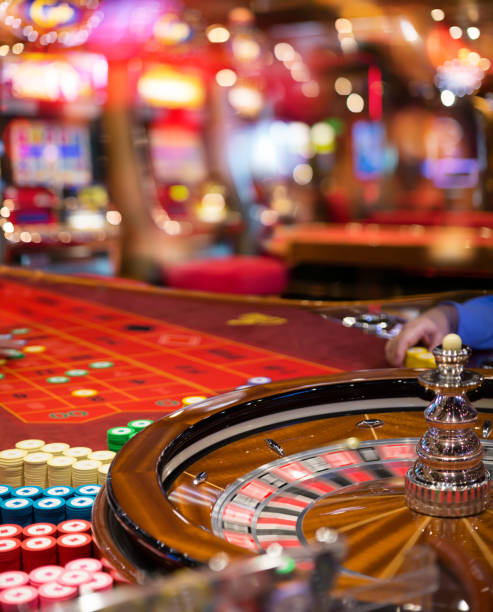
Moreover, the anticipation of winning can be just as exhilarating as the actual win itself. This phenomenon, known as ‘near misses,’ plays a crucial role in motivating gamblers to keep playing. When players come close to winning—like almost hitting a jackpot—they often perceive this as a sign that a win is imminent, leading them to gamble more. This cycle of anticipation and excitement can lead to excessive gambling, as players chase that elusive high.
The conditioning process involved in gambling is often compared to that of addiction. Just as substances like drugs can create dependency through the brain’s reward pathways, gambling can similarly lead to compulsive behavior. Understanding this connection is vital for recognizing why some individuals may find it challenging to control their gambling habits, despite the negative consequences they may face.
Cognitive Biases and Misconceptions
Cognitive biases play a significant role in gambling behavior, often leading individuals to develop distorted beliefs about their chances of winning. One common misconception is the ‘gambler’s fallacy,’ where players believe that past outcomes can influence future results. For example, a gambler may think that if a certain number hasn’t appeared in a while, it is due to show up soon. This faulty logic can lead to increased gambling, as players chase these perceived odds.
Additionally, players often overestimate their skill level in games that involve luck, believing that they can control outcomes through strategy or intuition. This overconfidence can result in individuals betting larger amounts or playing for extended periods, convinced they are on the verge of a big win. The allure of skill-based games, such as poker, further enhances this bias, as players may equate previous successes with mastery, prompting them to gamble more often.
Misconceptions regarding gambling payouts also contribute to continued play. Many gamblers are unaware of the actual odds associated with games, believing that certain games have better odds than they truly do. This lack of understanding can create a false sense of security, making individuals more likely to engage in gambling behaviors without recognizing the financial risks involved.
Social Influences and Peer Pressure
Social factors significantly influence gambling behavior, with peer pressure serving as a catalyst for many individuals to participate in gambling activities. Friends and family can create an environment where gambling is normalized, encouraging individuals to engage in it as a form of entertainment. This social reinforcement can lead to increased participation, especially among younger individuals who may feel the need to fit in or impress their peers.
Moreover, the availability of social gambling platforms, such as online casinos, can further amplify these influences. Many online gambling sites include social features that allow players to interact, share their successes, and even compete with one another. This communal aspect of gambling can create a heightened sense of excitement and urgency, compelling individuals to gamble more frequently in a bid to maintain social connections.
The impact of social media cannot be overlooked either. Advertisements and posts showcasing big wins can glamorize gambling, making it appear more appealing. Individuals may feel pressured to participate in these activities to maintain their social image or to partake in the excitement they see portrayed online. This phenomenon can lead to compulsive gambling behaviors, particularly among impressionable demographics who may not fully understand the implications of their actions.
The Impact of Emotions on Gambling Choices
Emotional states can significantly influence gambling behaviors, often leading individuals to make irrational decisions. People may resort to gambling as a coping mechanism to escape negative emotions, such as stress, anxiety, or depression. The temporary thrill of a win can provide a much-needed distraction, making gambling an attractive option for those struggling emotionally. Unfortunately, this can lead to a destructive cycle where individuals gamble more to escape their problems, further exacerbating their emotional turmoil.
Conversely, positive emotions can also drive gambling behavior. Individuals celebrating a significant life event may be more inclined to gamble, viewing it as a form of entertainment. The idea of winning can heighten these feelings, making the activity seem more appealing. However, the blending of gambling with emotional highs can lead to impulsive decisions, increasing the risk of developing problematic gambling habits.
Understanding the role of emotions in gambling decisions is essential for both players and professionals in the gambling industry. By acknowledging the emotional triggers that lead individuals to gamble, strategies can be developed to promote responsible gambling practices and provide support for those struggling with emotional issues linked to their gambling behaviors.

Captain Spins Casino: A Safe Gambling Environment
Captain Spins Casino understands the psychological triggers that drive gambling behavior and strives to create a secure, responsible gaming environment for its users. With over 2,600 games available, including popular slots and live dealer options, the platform provides an engaging experience while prioritizing player safety. Players can enjoy the thrill of gambling without compromising their mental and emotional well-being.
The casino offers enticing promotions, including a 100% welcome bonus up to NZ$300 and free spins, while ensuring that players are aware of the risks associated with gambling. By providing comprehensive support and resources, Captain Spins helps users make informed decisions and encourages responsible play, making it an excellent choice for both new and experienced gamblers.
With 24/7 customer support and seamless banking options that accept NZD for easy deposits and withdrawals, Captain Spins Casino ensures a customer-centric approach. By focusing on player satisfaction and safety, the casino creates a positive atmosphere where individuals can enjoy gaming responsibly, understanding the psychological factors at play in their gambling habits.
